
Introduction
Australian winters can present several challenges, particularly in coastal cities such as Melbourne and Sydney, where the climate tends to be more humid and damp. During this season, homeowners often encounter issues like condensation on windows, persistent dampness in various corners of their homes, and the development of musty odors. These problems can be exacerbated by the humid air that can seep into living spaces, contributing to an overall uncomfortable indoor environment.
Furthermore, one of the most concerning consequences of excess moisture during winter is the onset of mould growth. Mould not only poses health risks by aggravating allergies and respiratory problems, but it also can compromise the structural integrity of buildings. This risk is particularly pertinent in regions where high humidity levels persist, making it essential for individuals to be proactive in managing the moisture levels in their homes.
A practical solution to combat these winter-related issues is the use of dehumidifiers. Designed specifically to reduce humidity levels, these devices effectively remove excess moisture from the air. By maintaining an optimal humidity balance, dehumidifiers not only help eliminate the discomfort associated with dampness but also play a significant role in improving indoor air quality.
In areas prone to high humidity and damp conditions, particularly along Australia’s southeastern coast, a dehumidifier can serve as a critical tool for safeguarding homes. The right model can make a significant difference in the living conditions during winter, allowing residents to enjoy a more comfortable and healthier indoor atmosphere, free from the unwanted ramifications of excess moisture.
Compact Dehumidifiers
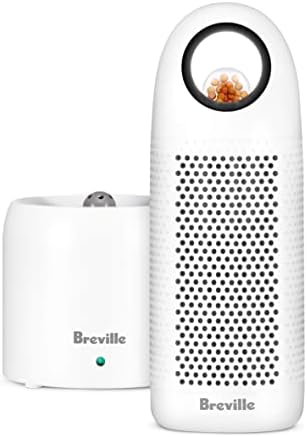
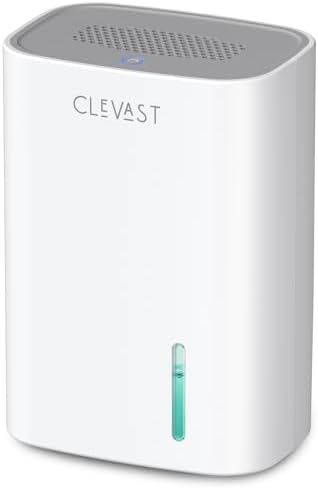
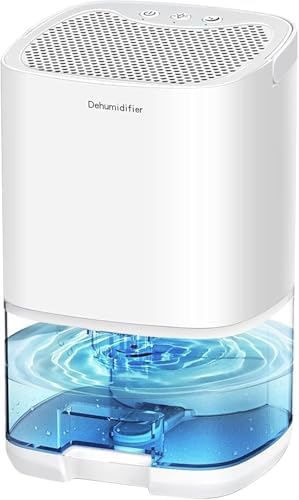
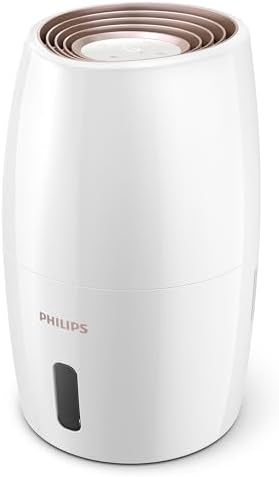
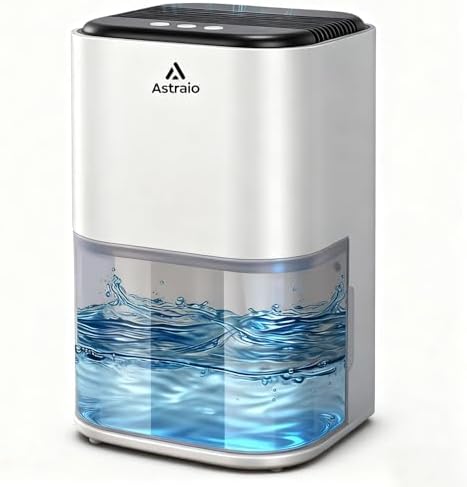
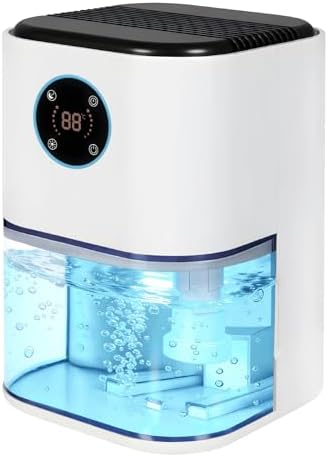
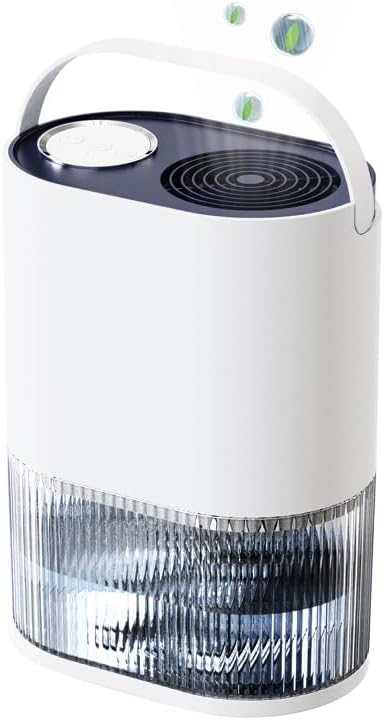
Compact dehumidifiers are small, quiet, and cost-effective solutions for managing humidity levels in various spaces. Designed for efficiency, these devices are particularly useful in areas prone to moisture, providing an excellent option for those looking to combat dampness without the bulk of larger units.
The mechanics of compact dehumidifiers revolve around their ability to extract moisture from the air using a fan and a refrigerant system. Air is drawn into the unit, cooled by the refrigerant, and as it cools, moisture condenses into water, which collects in a reservoir or is drained through a hose. These dehumidifiers often feature a simple interface and can operate quietly, making them ideal for residential use.
- Pros:
- Space-saving design, suitable for smaller rooms.
- Lower energy consumption compared to larger models.
- Typically quieter operation, allowing for uninterrupted use during nighttime.
- Affordable price point, making them accessible for budget-conscious consumers.
- Cons:
- Lower water extraction capacity, making them less effective in very damp environments.
- May require more frequent maintenance and emptying of the water reservoir.
- Limited features compared to larger dehumidifiers, such as smart technology options.
Compact dehumidifiers are most effective in enclosed areas like bedrooms, bathrooms, and small living spaces where moisture tends to accumulate. They are particularly beneficial during the Australian winter months, when humidity can lead to mold growth and discomfort. Their lightweight and portable design allows for easy relocation, ensuring that users can strategically place the device wherever moisture levels are highest.



Mid-Size Refrigerant Dehumidifiers
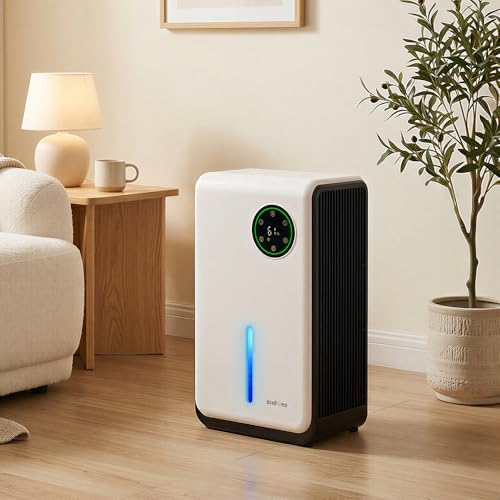
Mid-size refrigerant dehumidifiers are an effective solution for managing indoor humidity in Australian winters, capable of handling areas ranging from 3,000 to 4,500 square feet with ease. These units offer a balance between capability and efficiency, making them ideal for medium to large living spaces, including living rooms and open-plan areas.
- Functionality: Refrigerant dehumidifiers operate by cooling the air to condense moisture, which is then collected in a reservoir or drained away. They typically feature adjustable humidity controls, allowing users to set their desired moisture levels.
- Advantages:
- Efficient at extracting moisture in cooler temperatures, which is beneficial during winter months.
- Often equipped with a continuous drainage option, minimizing the need for manual emptying.
- Enhanced energy efficiency compared to smaller units, leading to lower operational costs over time.
- Disadvantages:
- Generally heavier and less portable than smaller models, which may limit placement options.
- Operating noise can be more noticeable in quiet settings, potentially causing disturbances.
These mid-size dehumidifiers are particularly relevant in larger areas where high humidity levels can lead to discomfort and potential health issues, such as mold growth. Their efficient operation ensures that they can maintain moisture levels effectively in environments that require consistent humidity control. Therefore, selecting a mid-size refrigerant dehumidifier can significantly enhance the overall comfort of expansive living spaces during the cold, damp Australian winter months.




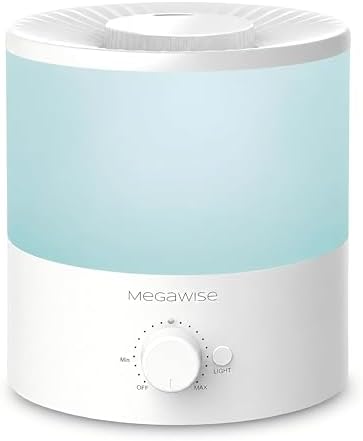
Whole-Home Dehumidifiers
Whole-home dehumidifiers are essential systems designed for optimal moisture control, capable of managing large volumes of air throughout an entire residence. These high-capacity units are ideal for homes experiencing persistent humidity issues, especially during the damp Australian winters. Proper humidity management not only enhances comfort but also protects the structure and indoor air quality of a home.
Operating a whole-home dehumidifier is relatively straightforward. The system connects to a home’s HVAC or duct system, allowing it to draw in humid air, remove excess moisture, and then distribute the drier air back into the living spaces. While effective, potential users should consider both the benefits and drawbacks:
- Advantages:
- Comprehensive moisture control across multiple rooms.
- Reduces the risk of mold and mildew formation, promoting healthier indoor air quality.
- Energy-efficient designs can lower overall utility costs compared to using multiple standalone units.
- Can enhance overall comfort during winter by reducing dampness and improving air circulation.
- Disadvantages:
- Higher initial installation costs compared to portable units.
- Installation may require professional assistance, adding to the expense.
- Some models can be noisy, depending on the location of the installation.
Whole-home dehumidifiers are most beneficial for multi-room residences, particularly those with basements or crawlspaces prone to dampness. Homes located in humid regions or those experiencing issues with condensation will find these systems particularly advantageous. Overall, investing in a whole-home dehumidifier ensures a drier, healthier living environment throughout the year.

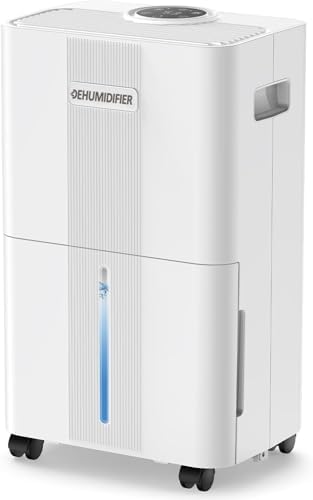

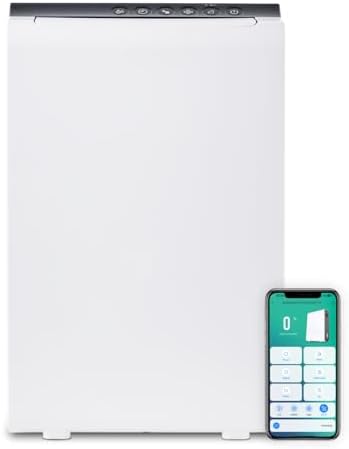


What Size Dehumidifier Do I Need?
Choosing the right size dehumidifier is critical for maintaining an optimal indoor environment, particularly during the humid Australian winters. A dehumidifier’s effectiveness is largely determined by its extraction capacity, measured in litres per day. This capacity should align with the size of the room to ensure that the humidity levels are kept around the ideal mark of 50% relative humidity.
To assist readers in selecting the appropriate dehumidifier size for different spaces, the following table matches various room sizes with their corresponding extraction capacities:
| Room Size (Square Metres) | Recommended Dehumidifier Capacity (Litres per Day) |
|---|---|
| Up to 30 m² | 10 – 12 L |
| 31 – 50 m² | 12 – 20 L |
| 51 – 75 m² | 20 – 30 L |
| 76 – 100 m² | 30 – 50 L |
| Over 100 m² | 50+ L |
It is essential to consider that other factors—such as the amount of moisture generated within the space and the external weather conditions—may also influence the choice of dehumidifier. For instance, kitchens and bathrooms typically need higher capacities due to the moisture produced from cooking and bathing. Thus, it is advisable to use this table as a guideline while examining individual needs before selecting the right dehumidifier for your home.
Dehumidifier vs Heater: Which Reduces Dampness?
When addressing issues related to indoor moisture levels, understanding the roles of dehumidifiers and heaters is essential. Both appliances play significant but distinctly different roles in managing the indoor climate, especially during the damp winter months in Australia.
A dehumidifier is a device specifically designed to reduce humidity levels in the air by extracting moisture. This is particularly important in winter when indoor activities often lead to higher humidity, resulting in dampness, mold growth, and discomfort. By absorbing excess moisture, a dehumidifier helps maintain a balanced humidity level, which is crucial for creating a more comfortable living environment.
On the other hand, a heater’s primary function is to increase the temperature of the indoor air. While it may help to make a home feel warmer, it does not address humidity levels directly. **The key difference** lies in their functionalities: dehumidifiers tackle moisture, whereas heaters focus on temperature. Heating the air without managing moisture can often lead to a situation where humidity becomes trapped, creating a hot and humid environment that promotes the growth of mildew and other issues.
In essence, when choosing between a dehumidifier and a heater, consider the specific problems you face in your home during winter. If high humidity is a concern, a dehumidifier will likely provide the most effective solution. However, if the primary issue is insufficient warmth, a heater can improve comfort, albeit without addressing potential dampness. For optimal indoor climate management, both devices can be utilized in conjunction, ensuring not only warmth but also the reduction of excessive moisture.
How to Choose the Right Dehumidifier
Selecting the right dehumidifier is crucial for maintaining optimal humidity levels in your home, particularly during the Australian winter months when dampness can lead to discomfort and mold growth. To assist in your decision-making process, consider the following critical factors:
- Extraction Rate: This refers to the amount of moisture the dehumidifier can remove from the air per day, typically measured in liters. Depending on your room size and humidity levels, choose a unit with an appropriate extraction rate that meets your needs.
- Tank Size: The tank size directly impacts how often you need to empty it. Larger tanks require less frequent maintenance, but be sure to consider the space available in your area for the unit.
- Energy Efficiency: Energy-efficient models can help save on electricity costs. Look for dehumidifiers that have a lower energy consumption rating while still providing sufficient moisture removal capabilities.
- Features: Advanced features such as humidity sensors can automatically adjust the dehumidifier’s operation based on the humidity levels in your home. Additionally, auto modes can optimize performance and energy consumption.
- Portability: If you plan to move the dehumidifier between rooms or to different areas of your home, consider one that is lightweight and comes with wheels or carry handles for easy transport.
- Noise Levels: Since dehumidifiers may be run for extended periods, especially at night, check the noise levels. A quieter model may enhance comfort, particularly in bedrooms and living areas.
By evaluating these factors, you can make an informed decision when selecting a dehumidifier that best meets your specific needs during the colder months.
Frequently Asked Questions
What is the ideal size dehumidifier for my room?
The ideal size of a dehumidifier depends on the room’s square footage and dampness level. For smaller spaces (up to 500 sq. ft.), a unit rated for 30-50 pints is generally sufficient. Larger areas might require 50-70 pint models for optimal moisture control.
How can I effectively position my dehumidifier?
To maximize efficiency, place the dehumidifier in an area with good air circulation, ideally around 2-3 feet from walls or furniture. Keeping doors and windows closed while in use enhances its performance in reducing humidity levels and combating mould growth.
How often should I run my dehumidifier in winter?
During winter, running your dehumidifier for several hours each day is advisable, especially in damp or poorly ventilated areas. Monitor the humidity levels; a balance between 30-50% is ideal for preventing mould and maintaining comfort.
Can dehumidifiers eliminate mould?
While dehumidifiers do not directly kill mould, they significantly reduce moisture, which helps prevent mould growth. Maintaining lower humidity levels is critical for creating an environment inhospitable to mould spores in your home.
Are there any energy-efficient dehumidifier options?
Yes, look for energy-efficient models with an Energy Star rating. These units consume less power while providing effective moisture removal. Investing in such dehumidifiers can lead to significant energy savings during prolonged usage over winter.
How do I maintain my dehumidifier?
Regular maintenance includes emptying the water reservoir, cleaning or replacing the air filter monthly, and ensuring that the coils are clear of dust. These actions not only enhance performance but also prolong the lifespan of your dehumidifier.
Conclusion
As we have explored throughout this blog post, choosing the right dehumidifier is crucial for maintaining a healthy indoor environment during the winter months in Australia. Excess moisture in homes can lead to various issues, including mold growth, structural damage, and health problems. Thus, an appropriate dehumidifier can significantly alleviate these concerns by reducing humidity levels and enhancing indoor air quality.
It is essential to assess your specific home environment and needs before selecting a dehumidifier. Consider factors such as the size of your space, the typical humidity levels experienced in your region, and any specific requirements related to allergies or respiratory conditions. Utilizing a dehumidifier that fits the size of your home will optimize its efficiency and effectiveness.
The key takeaway from this discussion is that an appropriately sized dehumidifier not only combats moisture-related issues but also contributes to a more comfortable indoor atmosphere. By investing in the right model, homeowners can ensure a balanced level of humidity, safeguarding their living spaces from the adverse effects of excess moisture, especially during the colder months. In conclusion, making an informed choice about dehumidification equipment is paramount for achieving a more inviting and healthier home environment during the Australian winters.