
Introduction
As the chill of winter descends upon Australia, the need for effective heating solutions becomes paramount for households and businesses alike. Electric heaters stand out as a popular choice due to their efficiency, ease of use, and the variety of types available on the market. In 2026, understanding the different types of electric heaters can make a significant difference in heating costs and comfort levels during the colder months.
The rising costs of energy consumption throughout Australia further underscore the importance of selecting an electric heater that not only meets heating demands but also fits within budget constraints. With various models and technology options available, it is essential for consumers to assess their individual heating requirements based on room size, insulation quality, and heating goals.
This guide is designed to provide a comprehensive overview of the best electric heaters available in Australia for 2026. By exploring the distinct features, benefits, and drawbacks of each type, readers will be equipped to make informed comparisons. Whether opting for radiant heaters, convection models, or fan-forced varieties, there exists a heater suited to every space and preference.
Ultimately, our aim is to assist you in identifying the most suitable electric heater that aligns with your specific needs and provides effective warmth throughout the winter months. Let us delve into the essential factors to consider and the top-performing electric heaters currently available, which will guide you toward making a confident purchasing decision.
Oil Column Heaters
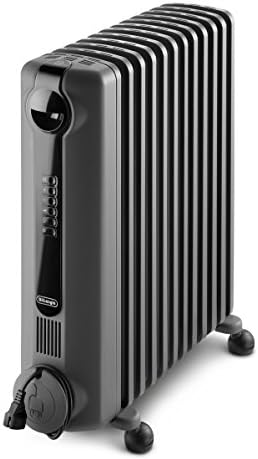
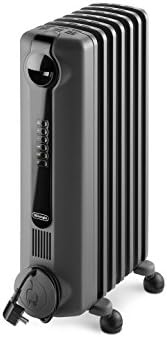
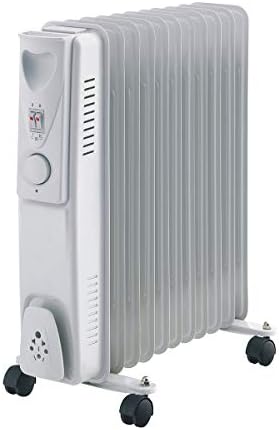
Oil column heaters are a popular heating solution in various regions, renowned for their effective operation and comfortable warmth. These heaters function by heating oil contained within the columns, which remains warm even after the unit is turned off. This gradual heat release makes oil column heaters exceptionally efficient for large living rooms and areas with high ceilings.
One of the significant advantages of oil column heaters is their ability to retain heat effectively. This characteristic allows them not only to warm spaces quickly but also to maintain a comfortable temperature long after the heater is powered down. This heat retention is particularly beneficial during the colder months, as it ensures that the living environment remains cozy without constant energy consumption.
Despite their benefits, oil column heaters come with some disadvantages. For example, they can take longer to heat a room initially compared to other heating types, such as fan heaters. Their weight can also be a concern; some models are quite heavy, making them less portable. Additionally, oil column heaters generally require a bit of time to reach optimal temperature, which may not appeal to individuals seeking immediate warmth.
Considering these factors, oil column heaters are an excellent choice for large spaces or homes with consistent heating needs. They are ideal for those who prioritize energy efficiency and enjoy a comfortable, steady warmth. For households with ample living space, an oil column heater can effectively complement the central heating system, ensuring that all areas maintain a pleasant atmosphere. Overall, evaluating room size and household dynamics is crucial when deciding if an oil column heater is appropriate for your heating needs.


Panel Heaters
Panel heaters are a popular choice for homeowners and renters alike, particularly in settings where space is at a premium. Their slim design allows these units to blend seamlessly into any room without taking up valuable floor space. Additionally, many panel heaters offer wall-mounting capabilities, freeing up areas that might otherwise be used for bulky radiators or traditional heating systems.
One of the primary benefits of panel heaters is their ability to heat a space quietly. Unlike conventional heating systems, which can be disruptive, panel heaters operate silently, making them an ideal addition to bedrooms or study areas where tranquility is essential. Their efficient heating capabilities ensure that warmth is evenly distributed throughout the room, thus enhancing comfort.
However, panel heaters do come with some drawbacks. While they are generally space-saving and aesthetically pleasing, their heating capacity may be limited compared to other heating solutions. This can affect larger areas or spaces with insufficient insulation. Relying solely on panel heaters for whole-home heating might also lead to increased energy costs, especially during prolonged cold spells. Therefore, it’s important to consider these factors when deciding if they are suitable for your needs.
Panel heaters are particularly beneficial for renters, as they are often easy to install and do not require permanent modifications to a property. This makes them an attractive option for individuals residing in apartments or temporary housing. Overall, those seeking a compact, quiet, and unobtrusive heating solution may find panel heaters to be an excellent choice, especially in smaller private spaces such as bedrooms or individual offices.


Fan and Ceramic Heaters
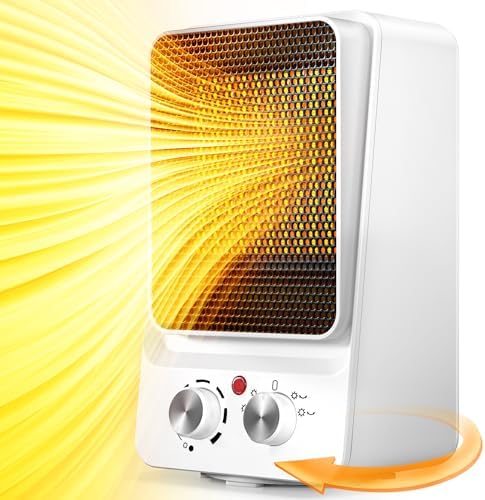
Fan and ceramic heaters are popular choices for heating small spaces quickly and efficiently. These devices utilize a fan to distribute warm air produced by a ceramic heating element, allowing for rapid heating of targeted areas. This mechanism makes them ideal for personal comfort, particularly in small rooms, where localized warmth is desirable without the need to heat an entire house.
One of the primary advantages of fan and ceramic heaters is their speed. Unlike traditional heating systems that may take time to warm an entire room, these heaters can begin to emit warmth almost instantly, thanks to their efficient design. Furthermore, their portability allows users to easily move them from room to room as needed, ensuring comfort wherever one may be.
However, while fan and ceramic heaters offer quick heating, they also come with some drawbacks. For one, they typically consume more electricity compared to other heating options, which can lead to higher energy bills over time. Moreover, as they rely on a fan to circulate hot air, noise can be a concern for some users, particularly in quiet settings like bedrooms. Additionally, care must be taken to position these heaters appropriately to avoid fire hazards, as they can become quite hot during operation.
Overall, fan and ceramic heaters are best suited for small rooms where effective and immediate warmth is needed. They are recommended for use in bedrooms, living areas, or offices. Their compact size and efficiency make them a valuable heating solution for anyone seeking convenience and comfort during the colder months.




Micathermic Heaters
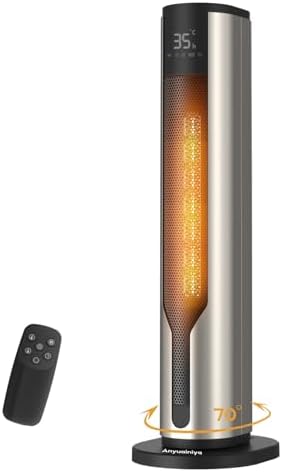
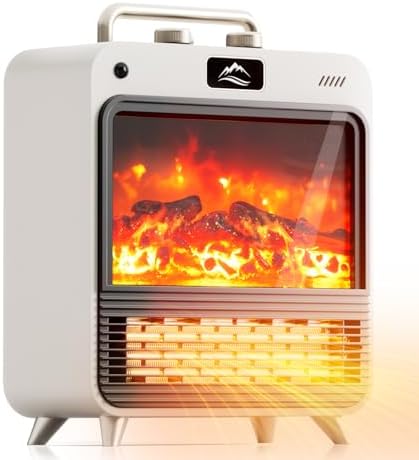
Micathermic heaters are gaining popularity due to their unique method of operation, which combines both convection and radiant heating. This hybrid approach allows them to heat a room quickly and evenly, ensuring that areas are warmed without the cold spots often associated with traditional heating methods. Micathermic heaters are typically designed with a mica panel that radiates heat, providing the comfort of warm air without the noise often produced by fans in other electric heaters. This makes them particularly suitable for bedrooms and quiet environments where disturbance must be minimized.
One of the significant advantages of micathermic heaters is their energy efficiency. These units consume less electricity compared to many conventional heaters, allowing users to save on energy bills while enjoying a consistent, comfortable temperature in their living spaces. Additionally, the lightweight design of most micathermic heaters facilitates easy relocation within the home, catering to varying heating needs from room to room.
However, it is essential to consider some downsides as well. While micathermic heaters can effectively provide heat, they may not be the best option for very large spaces or areas with high ceilings, where more powerful heating solutions might be necessary. Furthermore, the heating effect can take a few minutes to reach its full impact, which may be a consideration for individuals seeking immediate warmth upon entering a cold room. In summary, micathermic heaters represent a commendable choice for medium-sized rooms and are particularly advantageous in spaces where quiet operation is paramount. They combine efficiency with effective heating, making them a strong option for those in search of practical heating solutions in their homes.



How Much Do Electric Heaters Cost to Run?
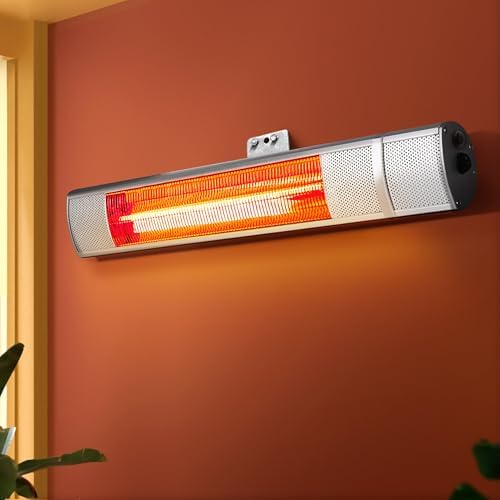
Understanding the running costs of electric heaters is essential for homeowners and renters alike, particularly when considering energy efficiency and budget management. Electric heaters operate using electricity, and thus their cost of operation will depend primarily on two factors: the wattage of the heater and the prevailing electricity rates in Australia.
The average electricity rate in Australia is approximately 33 cents per kilowatt-hour (kWh). To calculate the approximate daily running cost of an electric heater, you can use a simple formula: Multiply the heater’s wattage (in kW) by the number of hours it is used, and then by the cost per kWh. For instance, a 1500-watt (1.5 kW) heater operating for 8 hours daily would cost an estimated:
Daily Cost = 1.5 kW × 8 hours × $0.33/kWh = $3.96 per day.
In contrast, if you were using a higher wattage heater, say a 2400-watt (2.4 kW) model for the same duration, the calculation would be:
Daily Cost = 2.4 kW × 8 hours × $0.33/kWh = $6.58 per day.
These calculations provide insight into the financial implications of running electric heaters in your home. It’s important to consider that various factors may influence these figures, such as heater efficiency and local electricity plans. Moreover, if you have multiple heaters operating concurrently, simply add their daily costs to get a comprehensive total.
Ultimately, knowing how to calculate the running costs of electric heaters will empower you to make informed decisions regarding your heating options. By being aware of how much electricity your heaters consume, you can strategize your usage and potentially save on energy bills, making the investment in efficient heating solutions more beneficial.
How to Choose the Right Heater
Selecting the appropriate electric heater is crucial for ensuring comfort and efficiency within your space. Begin by evaluating the size of the room where the heater will be used. Different heaters are designed to heat various areas, so knowing the square footage will help you choose a model with the appropriate heating capacity. Look for heaters with specifications indicating their effectiveness in heating spaces of your desired size.
Safety is another paramount factor. Electric heaters should include safety features such as tip-over protection and overheat protection to prevent accidents. A heater that automatically shuts off when tipped over or when it reaches an unsafe temperature enhances safety, making it suitable for households with children or pets.
Consider features that offer convenience, such as timers and thermostats. Timers enable you to set the heater to automatically turn on or off at certain times, optimizing energy efficiency and providing comfort when needed. Programmable thermostats allow for better temperature control, as they can adjust the heater’s output based on the current room temperature, thus saving power and reducing costs.
Noise levels are also significant when choosing an electric heater. Some models operate quietly, while others can be disruptive, particularly in bedrooms or workspaces. When assessing heaters, review customer feedback or product specifications to determine the noise output, ensuring you select a model that aligns with your tolerance for sound.
Ultimately, the perfect heater combines suitable capacity for your space, crucial safety features, useful convenience options, and acceptable noise levels. Spending time deliberating these factors will lead to an informed decision, promoting safety, comfort, and energy efficiency in your heating solution.
Frequently Asked Questions About Electric Heaters
Electric heaters have become a popular choice for many households in Australia due to their efficiency and convenience. Here, we address some of the most common questions regarding electric heating options.
What are the cheapest electric heater options available?
When considering budget-friendly electric heaters, fan heaters often emerge as the most economical choice. They provide rapid heating and are generally less expensive upfront compared to their oil heater counterparts. Additionally, small ceramic heaters are another low-cost option, offering portability and effective heating for small spaces. It’s important to assess both the purchase cost and the running costs to determine the most cost-effective solution.
What are the differences between oil heaters and fan heaters?
The primary distinction between oil heaters and fan heaters lies in their heating mechanism. Oil heaters use electricity to heat oil contained within a sealed unit, which subsequently radiates warmth over time, making them excellent for maintaining consistent temperatures in larger spaces. Conversely, fan heaters rapidly blow hot air into the room but may not provide the same warmth retention as oil heaters. It is advisable to choose based on specific heating needs and room sizes.
How do I determine the wattage required for my room size?
To effectively heat a room, a general rule of thumb is to estimate around 100 watts per square meter. For instance, a 20 square meter room would typically require approximately 2000 watts for adequate heating. However, factors such as insulation, ceiling height, and window sizes can influence the required wattage, so it may be beneficial to consult heating calculators or professionals for tailored recommendations.
Is it safe to leave an oil heater on overnight?
Generally, modern oil heaters are designed with safety features allowing them to operate safely for extended periods, including overnight use. Nonetheless, it is advisable to ensure that the heater is placed on a stable, flat surface away from combustible materials. Regular maintenance and inspection of the heater’s condition can further enhance safety.
Conclusion
Choosing the right electric heater is essential for achieving comfort in your living space, particularly in a diverse climate like Australia. Throughout this blog post, we have explored various types of electric heaters, each with unique features that cater to different room requirements and personal preferences. From convection to radiant heaters, understanding the specific characteristics of each model allows for an informed decision that can enhance heating efficiency.
It is crucial to consider the size of the room when selecting an electric heater. For instance, larger areas may benefit from powerful units that can distribute heat more evenly, while smaller spaces might require compact options that can efficiently warm without overwhelming the room. Additionally, factors such as insulation quality, ceiling height, and window placement should not be overlooked, as they significantly impact heat retention and overall effectiveness.
Moreover, personal needs, such as energy consumption and cost-effectiveness, play a vital role in the selection process. Opting for energy-efficient models not only ensures a comfortable environment but also helps in managing energy bills over time. Many modern electric heaters come equipped with smart technology and programmable features that allow for greater control over heating schedules, thereby optimizing usage according to individual lifestyles.
In conclusion, careful consideration of room size, heater type, and personal requirements is key to selecting the most suitable electric heater for your home. An informed choice will lead to effective heating solutions that provide comfort during the colder months, all while managing operational costs efficiently.